

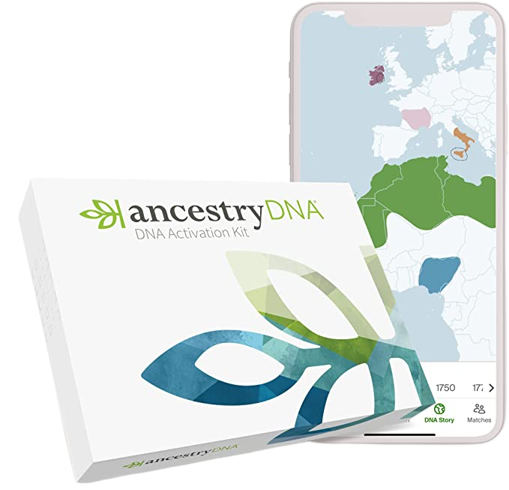
AncestryDNA or 23andMe: Finding Your Perfect Genetic Match
If you are curious about your heritage, AncestryDNA offers the world’s largest consumer database to help you uncover your roots. As we move into 2025, the landscape of at-home genetic testing has shifted, focusing more on data privacy and the depth of historical records. While both Ancestry and 23andMe provide a window into your past, they serve very different goals. One focuses on building a massive family tree, while the other leans heavily into your biological health markers and genetic predispositions.
How AncestryDNA Technology Decodes Your Heritage
The science behind these kits is remarkably straightforward for the user but complex in the lab. Most kits, including AncestryDNA, utilize a saliva-based collection method to gather cheek cells containing your unique genetic code. Once you mail your sample to a CLIA-certified laboratory, experts use microarray-based autosomal testing to examine thousands of genetic markers. This process allows the service to identify close and distant relatives across generations by comparing your markers to millions of other users in their global database.
Uncovering Your Roots with the AncestryDNA Database
When it comes to pure genealogy, the AncestryDNA platform remains the industry leader with a database of over 28 million members. This massive scale significantly increases your odds of finding second, third, or fourth cousins who can help fill in the gaps of your family history. Beyond simple percentages, the service provides access to over 30 billion historical records. This allows users to transition from a simple ethnicity estimate to a fully documented family story, tracing migrations and specific regional lineages with high geographic detail.
Analyzing the Cost and Value of AncestryDNA Kits
The financial commitment for an AncestryDNA kit typically starts at $99, covering the lab processing and your basic ethnicity inheritance features. For those looking to dive deeper into how their biology affects their daily life, an additional $20 unlocks “Traits,” which explores 35 different aspects of appearance and performance. However, to get the most out of the service, many users opt for “All Access” memberships. These subscriptions provide the keys to Newspapers.com and military records, making it a premium choice for serious historians.
Comparing Health Insights: Where 23andMe Takes the Lead
While AncestryDNA specializes in the “who” and “where” of your past, 23andMe focuses on the “what” of your physical health. Since Ancestry discontinued its dedicated health product in 2021, 23andMe has become the primary choice for those seeking genetic health risk reports. Their service can detect variants associated with conditions like type 2 diabetes or celiac disease. However, medical experts emphasize that these are not diagnostic tools; they are simply indicators that should be discussed with a healthcare professional or genetic counselor.
Navigating Privacy and Security in Modern Genetic Testing
In the wake of recent high-profile data breaches in the industry, privacy has become a top priority for anyone using AncestryDNA or its competitors. Ancestry allows users to maintain strict control over their data, offering the ability to keep family trees private and toggle DNA matching on or off. While 23andMe also offers robust privacy settings, they have faced significant financial and security hurdles recently. Choosing a platform in 2025 requires balancing the desire for discovery with the need for long-term data security and company stability.
The Verdict: Which DNA Service Fits Your 2025 Goals?
Ultimately, the “better” test depends entirely on your personal objectives for the year ahead. If you want to find living relatives and build an expansive family tree, AncestryDNA is the undisputed champion due to its sheer volume of users and records. If your primary interest lies in understanding your genetic health predispositions and wellness traits, 23andMe offers a more specialized experience. For the most accurate and safe results, always remember that these kits are for recreational curiosity and should be paired with professional medical advice.
Credit: Forbes.com