

The Science Behind Dutasteride For Hair Loss: A New Hope?
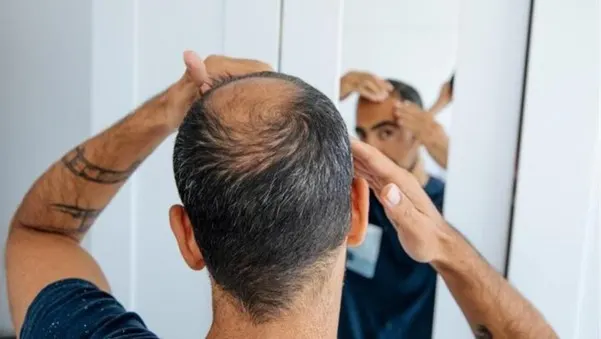
The quest for an effective treatment for male pattern baldness often leads men to explore prescription options, and increasingly, Dutasteride for hair loss is becoming the center of attention. This medication, while primarily FDA-approved to treat an enlarged prostate, is frequently prescribed off-label by dermatologists to combat androgenetic alopecia (AGA)—the most common form of hair loss. Its mechanism involves powerfully blocking the conversion of testosterone into dihydrotestosterone (DHT), a potent hormone notorious for miniaturizing hair follicles. By interrupting this process, Dutasteride allows the existing hair to increase in diameter, resulting in a noticeably thicker and fuller appearance.
How Dutasteride For Hair Loss Works at the Follicle Level
Dihydrotestosterone, or DHT, is the primary culprit behind pattern hair loss. Experts explain that DHT essentially “chokes” the hair, decreasing its diameter and making it shorter, thinner, and lighter over time. Dutasteride is a dual 5-alpha-reductase inhibitor, meaning it blocks both Type I and Type II of the enzyme responsible for creating DHT. This dual-action approach makes it exceptionally effective at lowering circulating DHT levels, which is precisely why it is being recognized as one of the most potent therapeutic options for Dutasteride for hair loss. Early intervention is key, as the medication is most effective at thickening existing hair when thinning first begins.
Comparing Dutasteride For Hair Loss to Other Medications
Among the current pharmaceutical options for AGA, research strongly suggests that Dutasteride for hair loss may be the most efficacious. For instance, a 2022 study published in the Annals of Dermatology involving 600 men demonstrated that participants treated with Dutasteride experienced better overall hair growth improvement when compared to those treated with finasteride. While both drugs belong to the same class, Dutasteride’s superior ability to inhibit DHT production appears to translate into enhanced clinical results for many patients. However, like any ongoing treatment, its benefits only persist as long as the medication is taken regularly—there is no lasting effect after discontinuation.
Effective Dosages and Formulations of Dutasteride For Hair Loss
For treating hair loss, the typical oral dose of Dutasteride for hair loss is often 0.5 milligrams (mg) per day, mirroring the standard dosage for prostate treatment. It is crucial, however, that the dose and frequency are strictly followed as prescribed by a qualified physician. Beyond the standard oral pill, Dutasteride is also available as a topical liquid solution through compounding pharmacies, typically in a 0.1% to 0.3% concentration. These topical preparations are sometimes compounded with other proven ingredients like minoxidil or tretinoin to potentially enhance scalp absorption and overall effectiveness, offering an alternative for patients concerned about systemic side effects.
Crucial Side Effects to Discuss Before Starting Dutasteride For Hair Loss
Potential side effects are a major point of discussion for anyone considering Dutasteride for hair loss. Patients should be aware that the medication can interfere with PSA blood tests, which are used to screen for prostate cancer, requiring careful communication with one’s doctor. Furthermore, Dutasteride has an unusually long half-life, meaning it remains in the body for nearly six months after the last dose. Other potential adverse effects include reduced libido, erectile dysfunction, decreased sperm count, and, rarely, depression and male breast enlargement (gynecomastia). It is essential to weigh these potential risks against the considerable therapeutic benefits with a dermatologist.
The Outlook for Dutasteride For Hair Loss in Women
While Dutasteride is primarily studied and prescribed for men, its use in women with pattern hair loss is limited and comes with significant caution. Experts rarely use oral Dutasteride for hair loss as a first-line treatment, particularly in premenopausal females. This is due to its long half-life and its absolute contraindication during pregnancy, as it can severely affect genital development in a male fetus. Research is still evolving in this area, but for now, the strongest evidence and safest prescribing guidelines are clearly focused on the treatment of male androgenetic alopecia.
Credit: Forbes.com