

Job Applicant Fraud Is Rising: How New AI Tech Spots the Fakes
Job applicant fraud is rising at an alarming rate, forcing companies to rethink how they vet new hires. As AI-generated résumés and deepfake profiles become the norm, recruiters are struggling to separate real talent from digital ghosts. A Toronto-based startup called Tofu is stepping in to solve this identity crisis. Using advanced metadata analysis, they are helping the industry reclaim trust in the hiring process.
Why Job Applicant Fraud Is Rising in the Modern Market
The current labor market is a perfect storm for deceptive practices. With many professionals facing long-term unemployment, the pressure to stand out has led to a surge in AI-assisted “shortcutting.” While some use AI to simply polish a résumé, others use it to flood systems with hundreds of automated applications. This volume makes it nearly impossible for human managers to verify the authenticity of every candidate they see.
Research from Gartner suggests that by 2028, nearly 25% of all job applicants will be phony. These “supercharged” fraudsters utilize deepfakes and voice clones to masquerade as real people during the interview process. In just over an hour, a novice user can now create a fully realized digital persona. This evolution in technology is why many experts agree that job applicant fraud is rising beyond the point of manual detection.
How Tofu Tackles the Fact That Job Applicant Fraud Is Rising
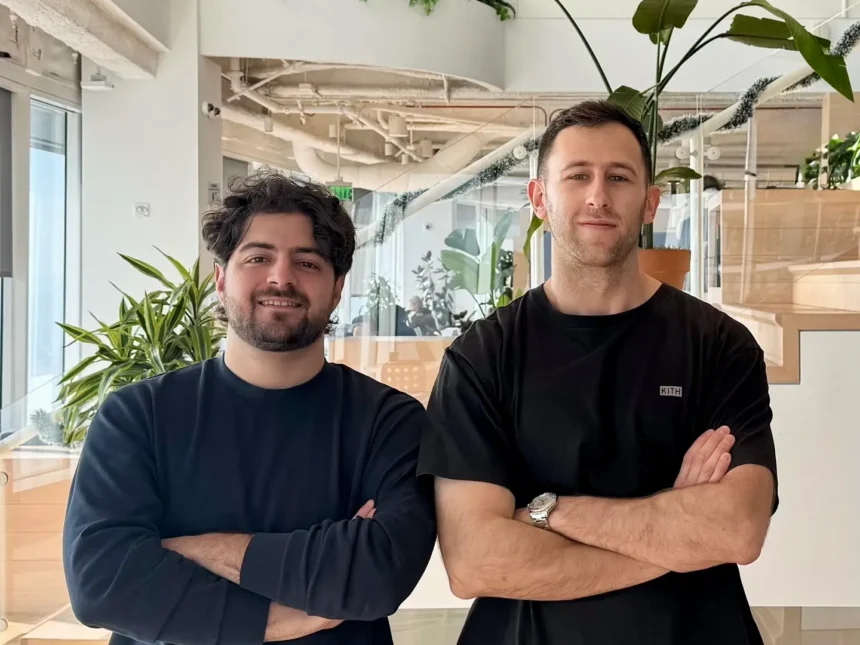
Tofu, a two-year-old startup, recently pivoted from a talent marketplace to a specialized identity layer. Their software cross-references publicly available social media metadata to confirm that an applicant is a real person. By checking account ages, posting activity, and the number of LinkedIn connections, Tofu provides a “trust score” for recruiters. It is essentially a “Know Your Customer” (KYC) protocol, but specifically tailored for the hiring world.
The startup recently announced a $5 million seed round led by Slow Ventures to scale this mission. They have also partnered with Gem, a major AI-powered hiring platform, to integrate fraud detection directly into the recruitment workflow. This partnership allows companies to flag suspicious activity the moment a candidate applies. As job applicant fraud is rising, these automated barriers are becoming a requirement rather than a luxury.
The Dangerous Reality Behind Why Job Applicant Fraud Is Rising
The stakes of these fraudulent applications go far beyond a simple “bad hire.” While some candidates are merely “polyworking”—secretly holding multiple full-time jobs—others have more nefarious goals. There have been documented cases where AI-created applicants were used to infiltrate companies to steal proprietary data or customer secrets. The Department of Justice has even charged individuals for aiding foreign state actors in securing remote IT roles.
Remote positions in engineering and customer service are currently the most vulnerable to these attacks. Fraudsters often “steal” the profiles of inactive users, showing up to camera-on interviews while masquerading as the person on the résumé. Because job applicant fraud is rising in complexity, companies can no longer rely on a simple video call to verify an identity. They need a deep dive into a candidate’s digital footprint to ensure they are who they claim to be.
Investing in Solutions as Job Applicant Fraud Is Rising
The recruitment industry is shifting its focus toward high-tech verification tools like Checkr, Greenhouse, and Workday. These platforms are increasingly using AI to spot altered IDs or faked drug tests during the background check phase. Tofu stands out by focusing on the earliest stage of the funnel: the application itself. By identifying bots and “ghost” profiles before an interview even happens, they save companies hundreds of hours in wasted recruitment time.
As the hiring landscape continues to grapple with these challenges, the human element remains vital but needs digital support. Jason Zoltak, CEO of Tofu, emphasizes that while HR will always be a human-led industry, it requires a secure identity layer to function. With job applicant fraud is rising every day, the goal is to ensure that when a hiring manager finally meets a candidate, they are talking to a real person with real skills.
Credit: Forbes.com