

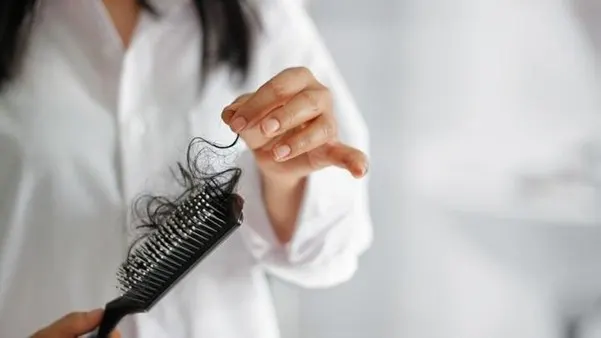
Minoxidil For Hair Loss: Is This Topical Treatment Really Your Best Bet?
Minoxidil for hair loss is an FDA-approved treatment often recognized by the brand name Rogaine, which treats androgenic alopecia (pattern baldness) and is available over-the-counter in foam or liquid form.
The Science Behind Minoxidil for Hair Loss
Understanding how Minoxidil for hair loss works is key to its effective use. According to Dr. Angela Casey, a double board-certified dermatologist, the medication functions by significantly boosting blood flow to the hair follicles. This surge in circulation stimulates vascular endothelial growth factor, essentially encouraging new hair to sprout. Crucially, Dr. Casey notes that minoxidil also prolongs the anagen (growth) phase and shortens the telogen (resting) phase of the hair cycle. This shift means users might initially see some shedding as follicles “recalibrate,” but this is a sign the treatment is beginning to work. This mechanism applies to both the topical and the prescription-only oral tablet form, which is used off-label for this purpose.
Choosing Your Treatment: Topical vs. Oral Minoxidil for Hair Loss
When considering Minoxidil for hair loss, patients face a choice between the topical solution/foam and the oral tablet (prescribed off-label). Recent research suggests that both forms can be equally effective. A 2022 study in the Journal of the American Academy of Dermatology found comparable improvements in hair loss for women using either preparation. However, personal preference often dictates the final choice. A 2025 survey highlighted that users of the daily oral tablet reported better consistency, citing ease of use. In contrast, users of the topical solution often found it made their hair greasy and aesthetically unpleasing. For topical use, Dr. Casey recommends the foam over the solution, noting that the foam tends to dry faster and is less likely to cause scalp irritation—a major advantage, especially for women with longer hair.
How Long Until You See Results from Minoxidil for Hair Loss?
Patience is vital when starting treatment with Minoxidil for hair loss. Results are not instant and require consistent daily application or dosing. For topical minoxidil, early effects might appear after around eight weeks, with the maximum benefit typically observable in approximately four months. Similarly, oral minoxidil is expected to show results within three to four months, according to current research. Dr. Casey emphasizes that the benefits of minoxidil are sustained only while the user continues the medication. Once discontinued, the hair loss will gradually revert to baseline, often with the underlying cause (like pattern baldness) continuing its progression.
Optimal Dosing and Potential Side Effects of Minoxidil for Hair Loss
The standard topical concentrations of Minoxidil for hair loss are 2% and 5%. While the 2% is often marketed toward women, Dr. Casey states that the 5% concentration is generally more effective for both men and women. She typically recommends twice-daily application for men and once-daily application for women. For the oral version, a daily dosage is usually between 1 to 2.5 milligrams. Like any medication, minoxidil carries potential side effects. The most notable with the oral tablet is hypertrichosis (excessive body hair growth), along with possible headaches, fluid retention, or increased heart rate. Topical side effects are generally confined to localized scalp irritation, redness, or dryness. It is important that individuals with a history of heart issues consult a cardiologist before starting the oral medication.
Credit: Forbes.com